Series: From F# to Gleam
Read the From F# to Gleam articles in order.
- Part 1
From F# to Gleam > 1: From FSI to Your 1st Gleam Project
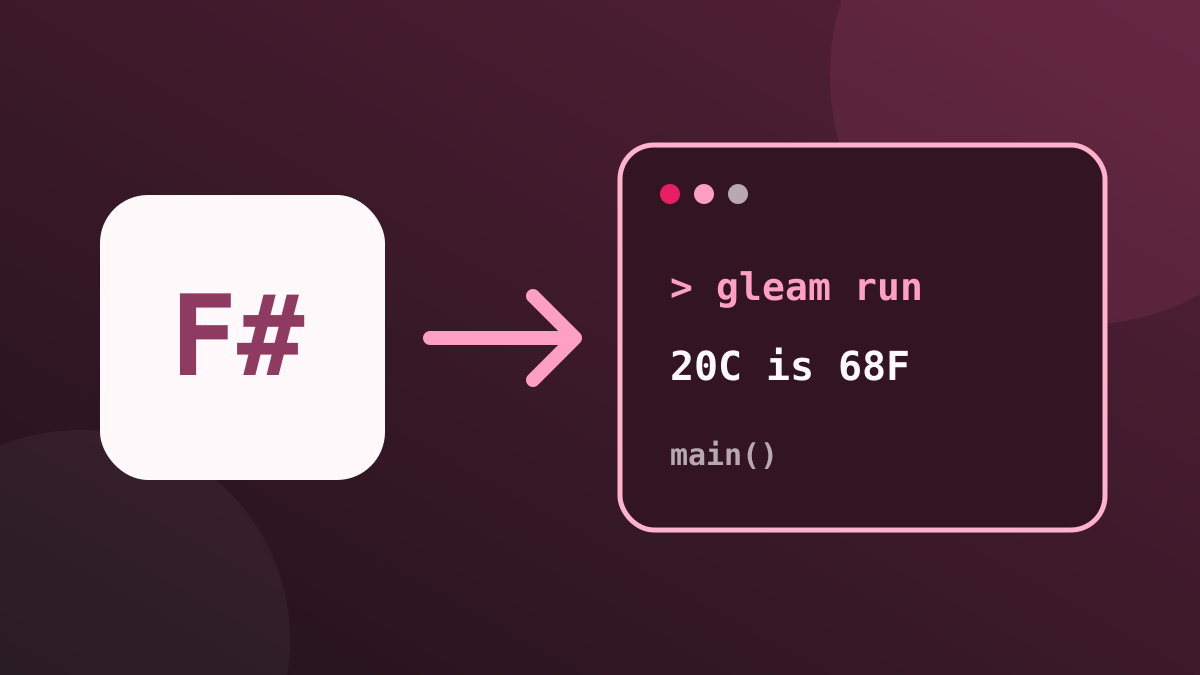
Bring your F# instincts to Gleam, create a small project, and learn the differences in values, operators, and the development loop.
- Part 2
From F# to Gleam > 2: Records, Custom Types, and Pattern Matching
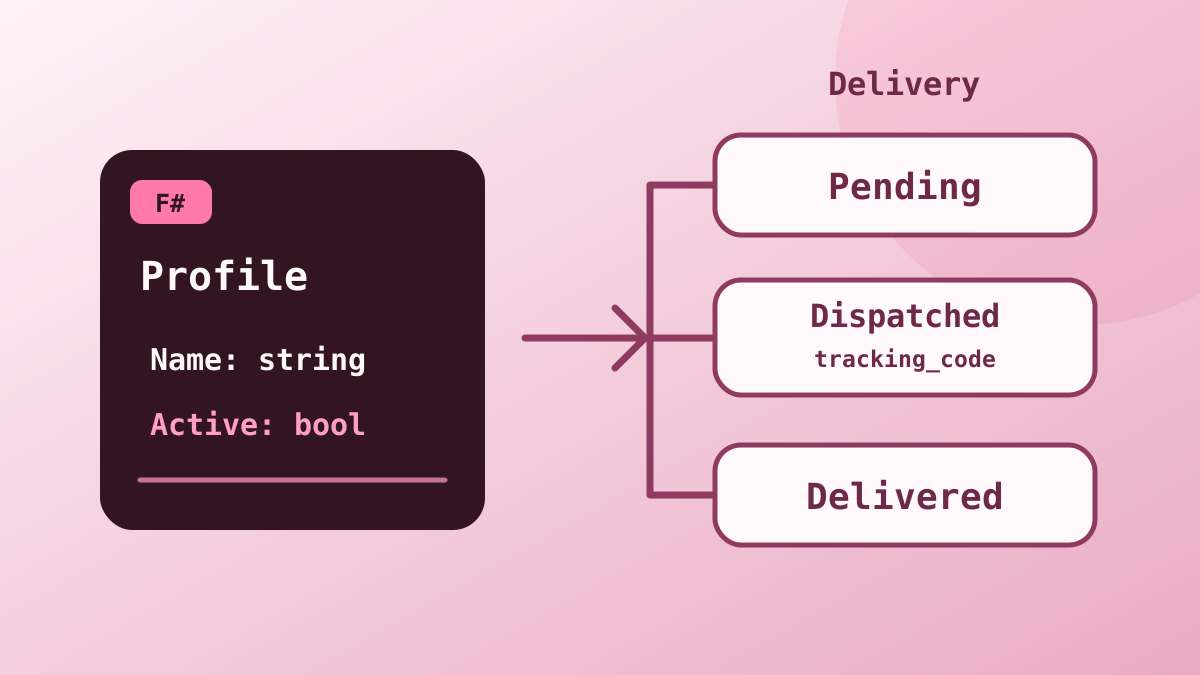
Translate F# records and discriminated unions into Gleam custom types, immutable updates, and exhaustive case expressions.
- Part 3
From F# to Gleam > 3: Functions, Pipelines, and Partial Application
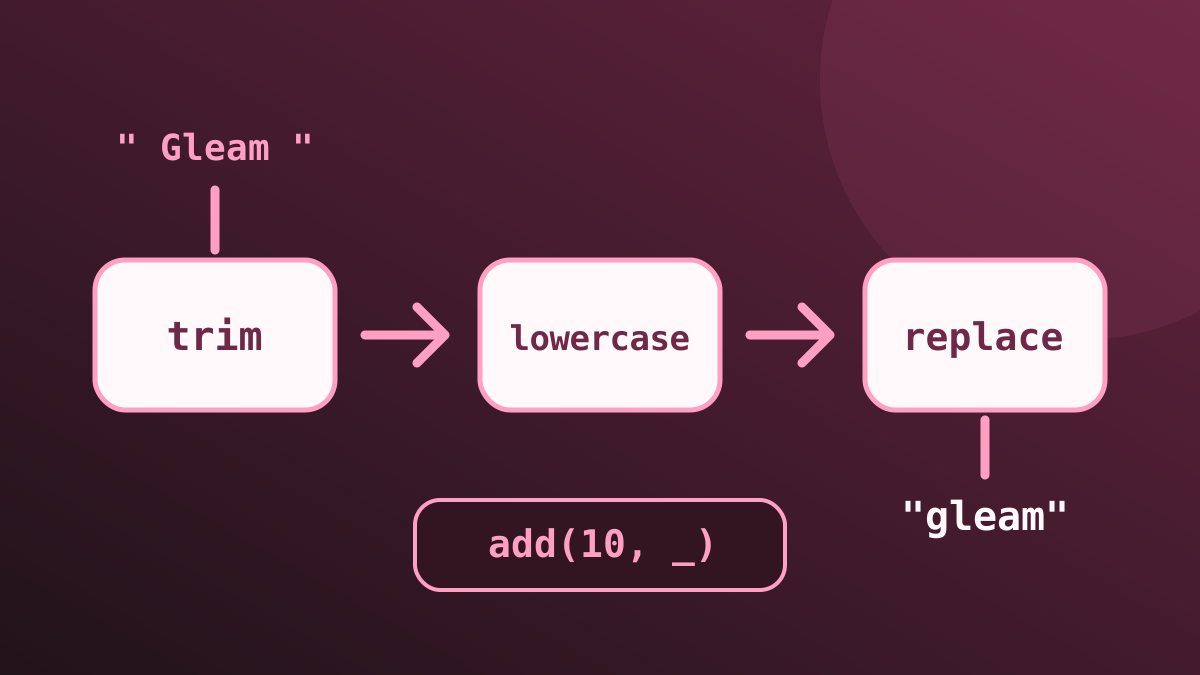
Keep F#'s compositional style while adapting to Gleam's uncurried functions, pipeline argument order, and function captures.
- Part 4
From F# to Gleam > 4: Lists, Dictionaries, and Eager Transformations
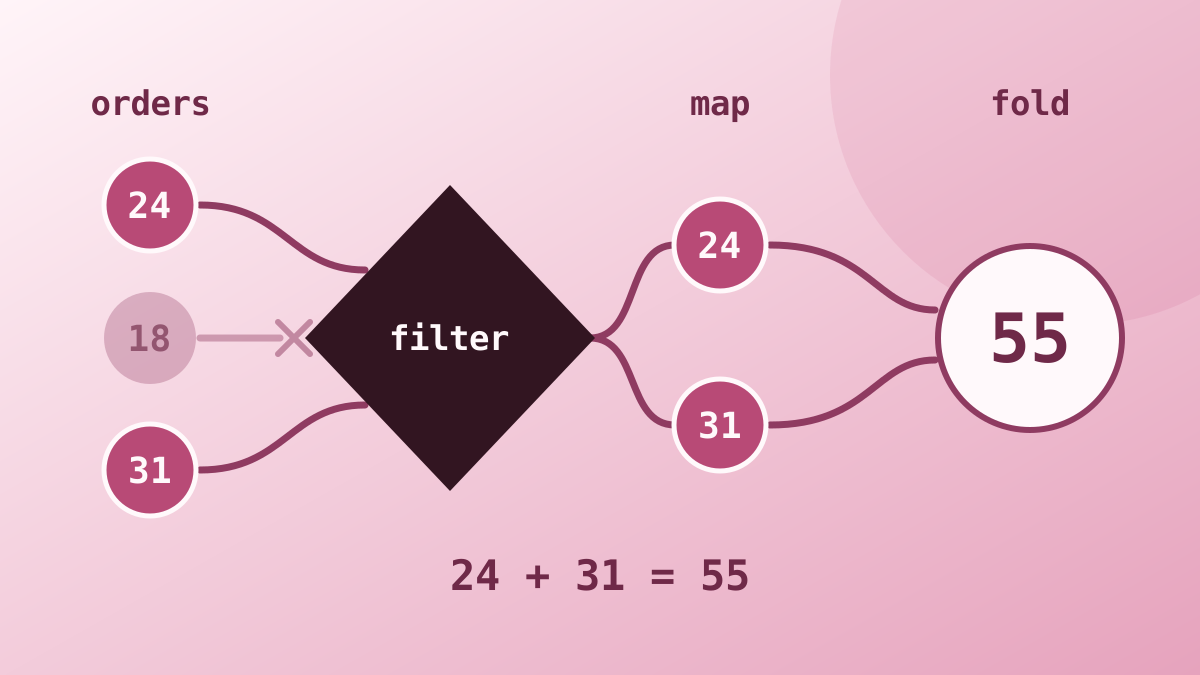
Translate F# collection pipelines into Gleam lists and dictionaries, with explicit folds, eager evaluation, and checked lookups.
- Part 5
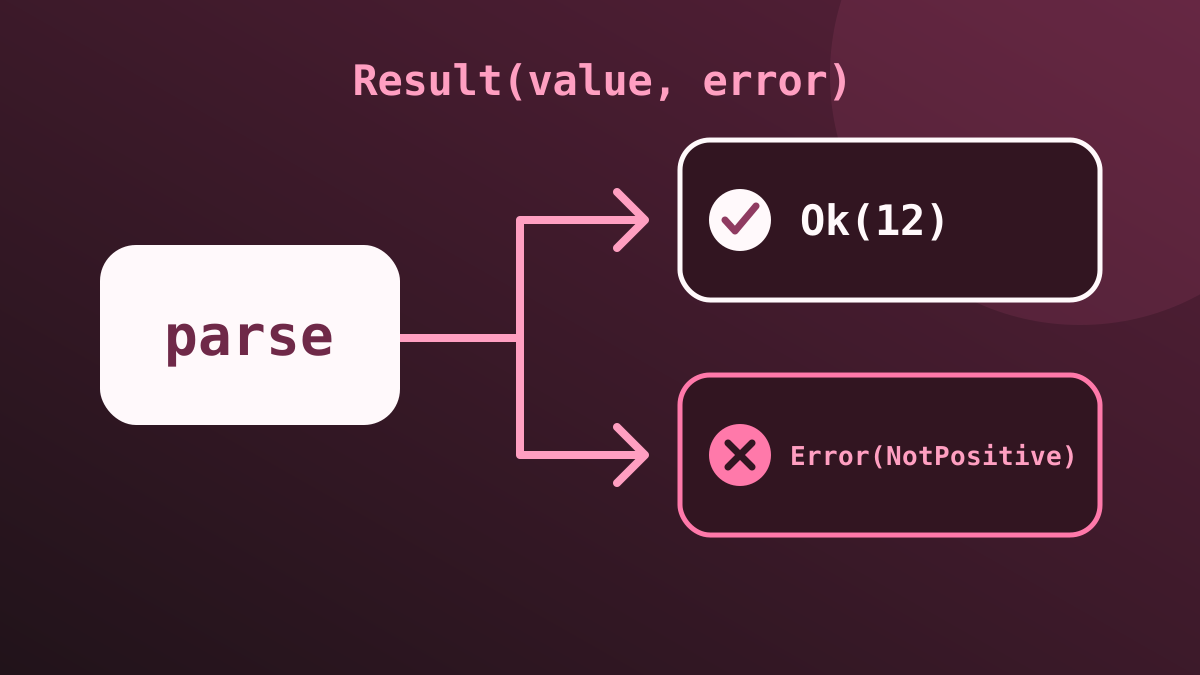
From F# to Gleam > 5: Option, Result, and Typed Errors
Translate F# options and results into Gleam, distinguish absence from failure, and validate input with explicit error types.
- Part 6
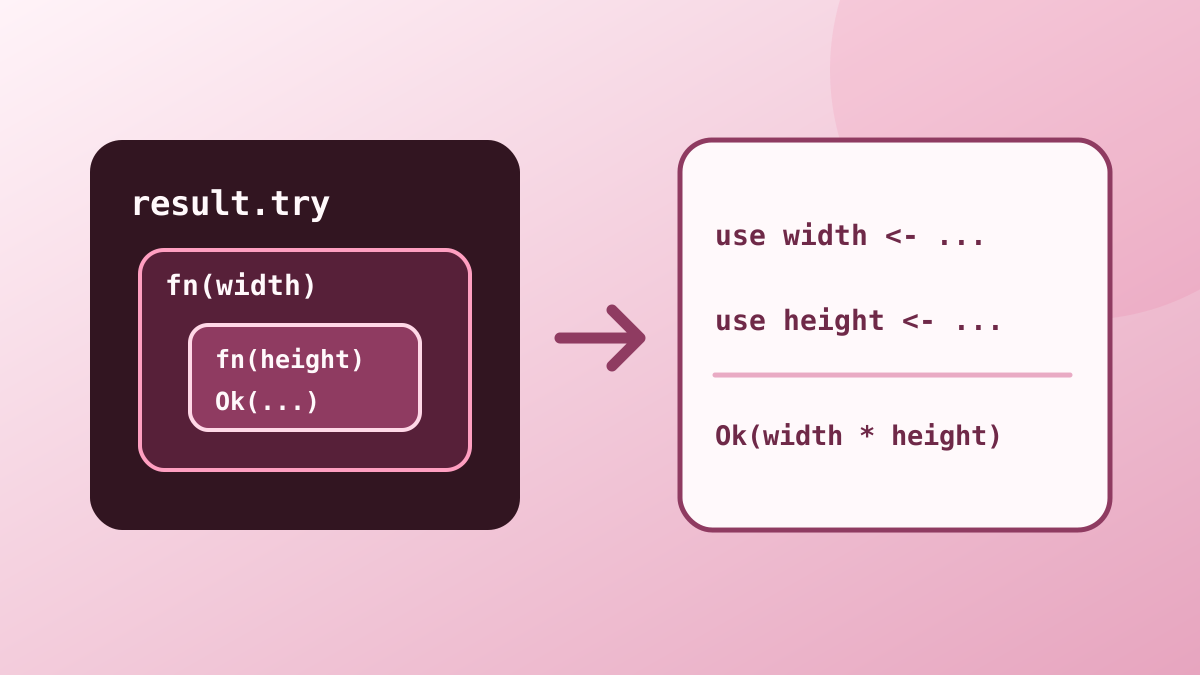
From F# to Gleam > 6: From Computation Expressions to use
Understand Gleam's use syntax through F# result binding, then see why callback control flow isn't a computation-expression builder.
- Part 7
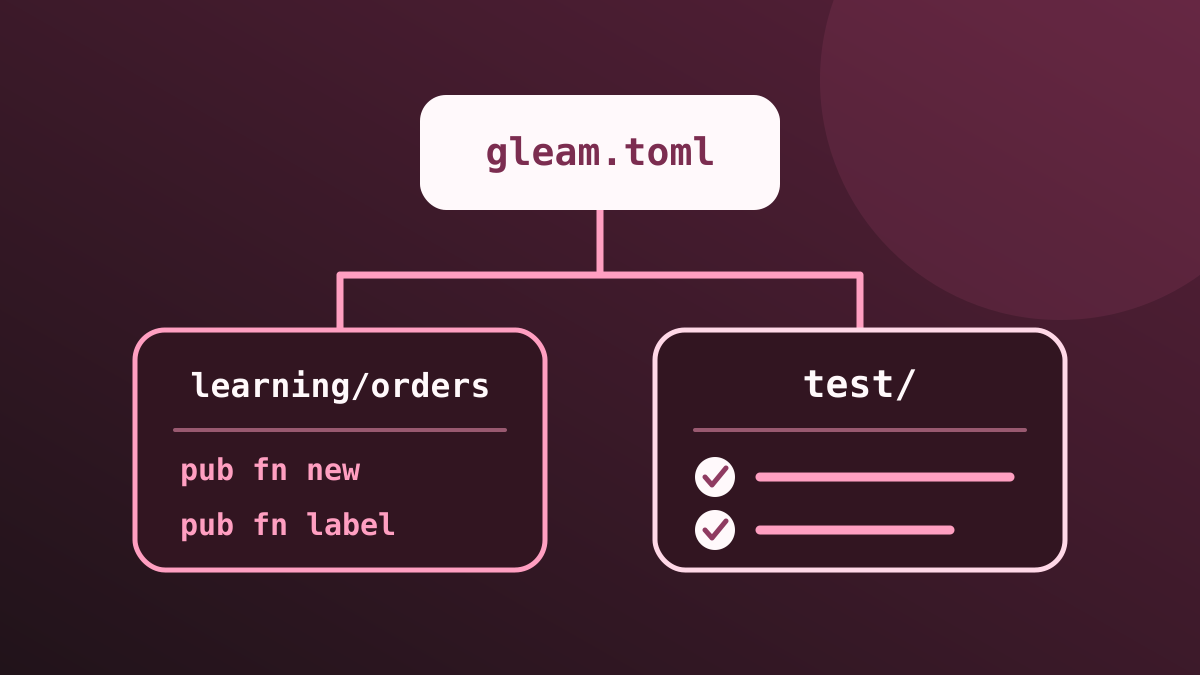
From F# to Gleam > 7: Modules, Packages, and Tests
Move from F# modules and NuGet projects to Gleam's file-based modules, Hex packages, opaque types, and Gleeunit tests.
- Part 8
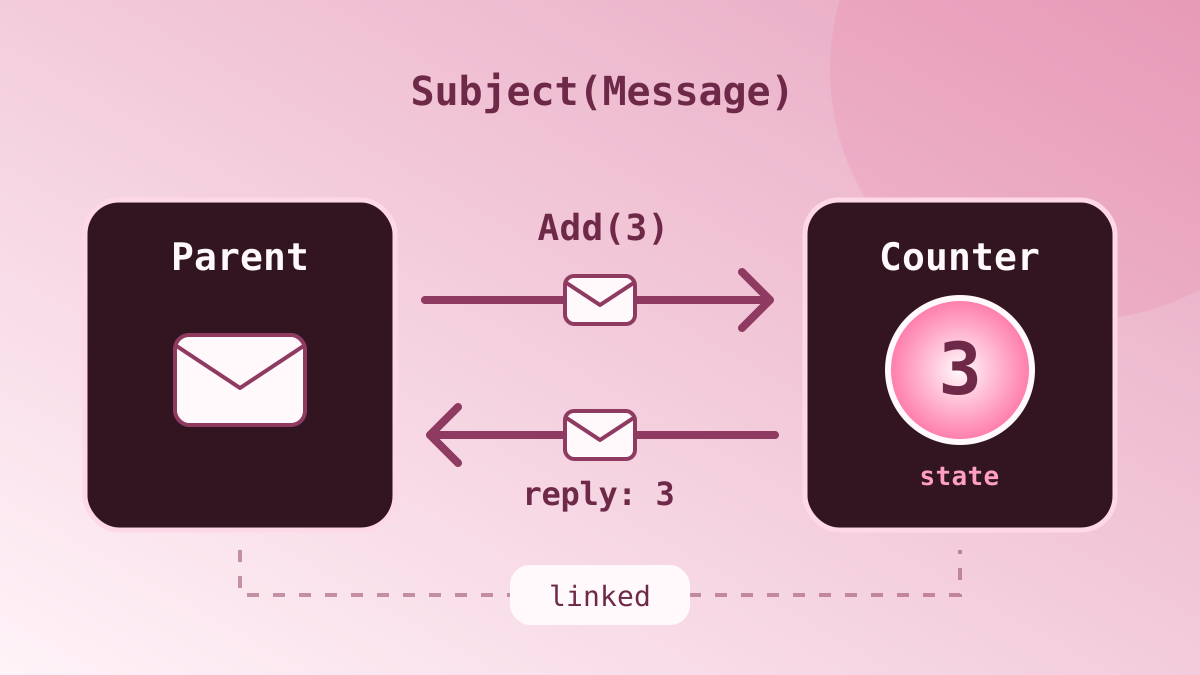
From F# to Gleam > 8: From MailboxProcessor to BEAM Processes
Translate an F# mailbox into a typed Gleam message loop and learn how BEAM process ownership, links, and timeouts change the design.
- Part 9
From F# to Gleam > 9: Erlang, JavaScript, and Foreign Functions
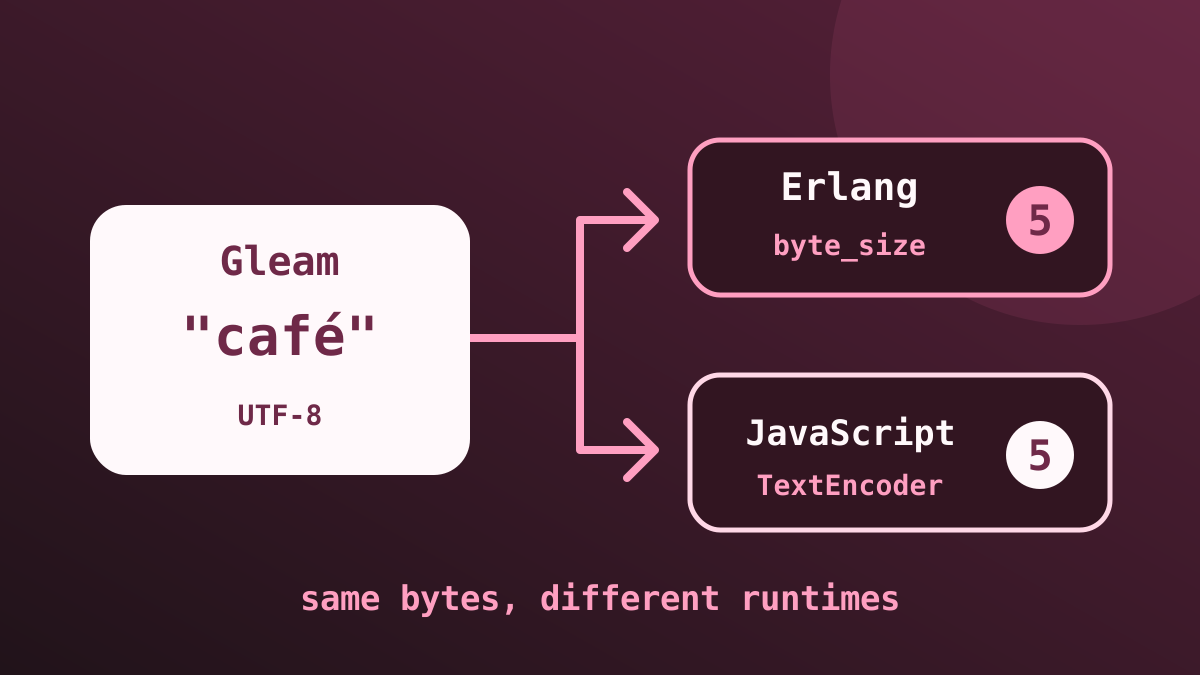
Move from .NET interop to Gleam's target-specific foreign functions, test an encoding contract on both runtimes, and keep unsafe boundaries small.