Series: From F# to Clojure
Read the From F# to Clojure articles in order.
- Part 1
From F# to Clojure > 1: Forms and the REPL
A practical bridge from F# to Clojure, translating familiar functional ideas while learning Lisp syntax, dynamic values, and the REPL.
- Part 2
From F# to Clojure > 2: Immutable Data Without Static Types
Translate F# records, lists, maps, and immutable updates into Clojure's persistent collections and data-oriented style.
- Part 3
From F# to Clojure > 3: Functions, Bindings, and Destructuring
Carry F# function composition into Clojure while adapting to explicit parameter vectors, local bindings, and map destructuring.
- Part 4
From F# to Clojure > 4: Sequence Pipelines
Translate F# collection pipelines into Clojure's sequence functions, lazy values, and thread-last macro.
- Part 5
From F# to Clojure > 5: Namespaces and REPL-Driven Development
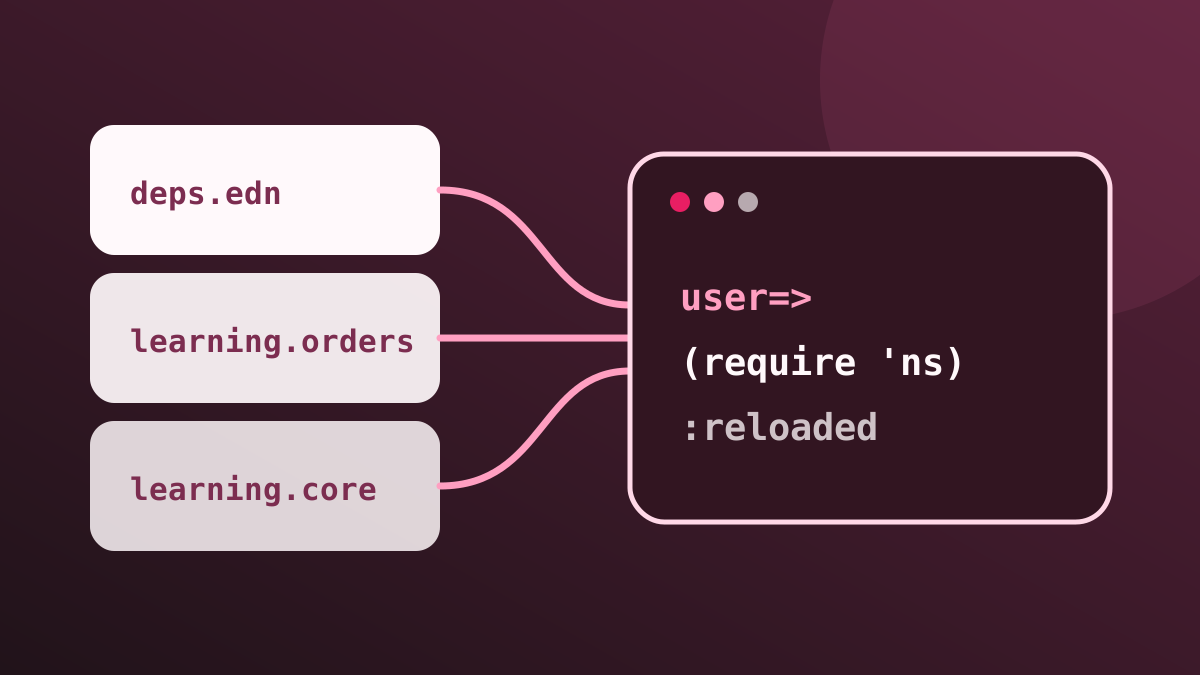
Move from F# projects and modules to Clojure namespaces, classpaths, Vars, and a live REPL-driven development loop.
- Part 6
From F# to Clojure > 6: From Discriminated Unions to Open Polymorphism
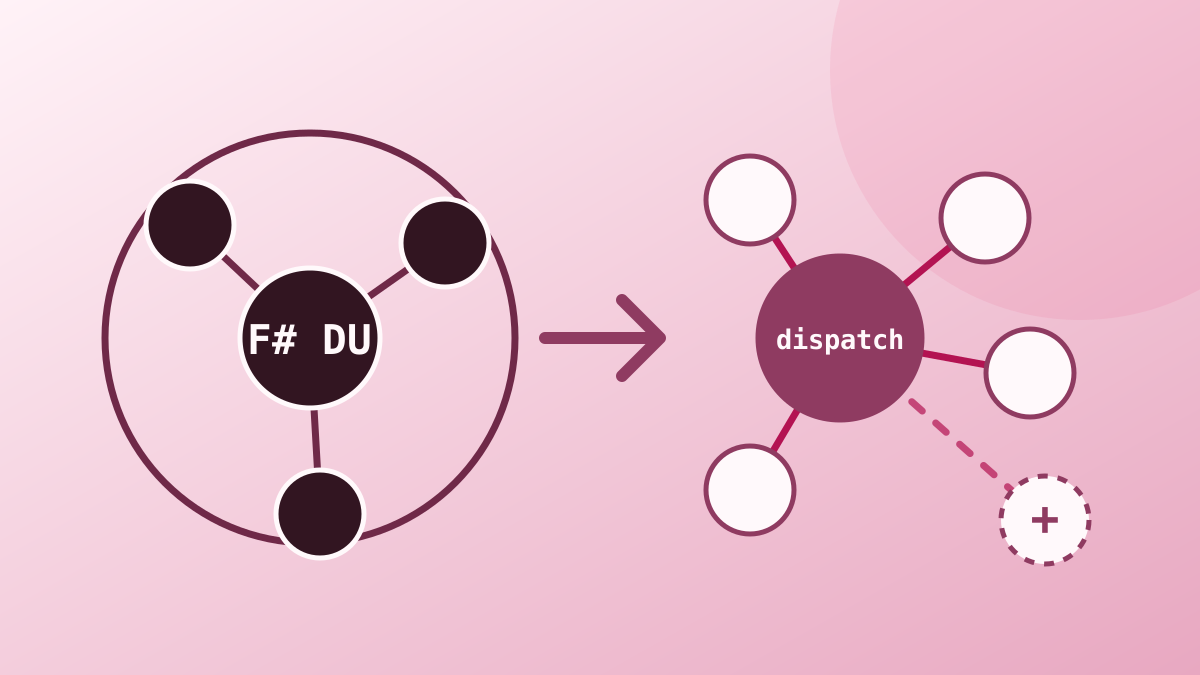
Compare F# discriminated unions and interfaces with Clojure protocols, records, and data-driven multimethod dispatch.
- Part 7
From F# to Clojure > 7: State and Concurrency
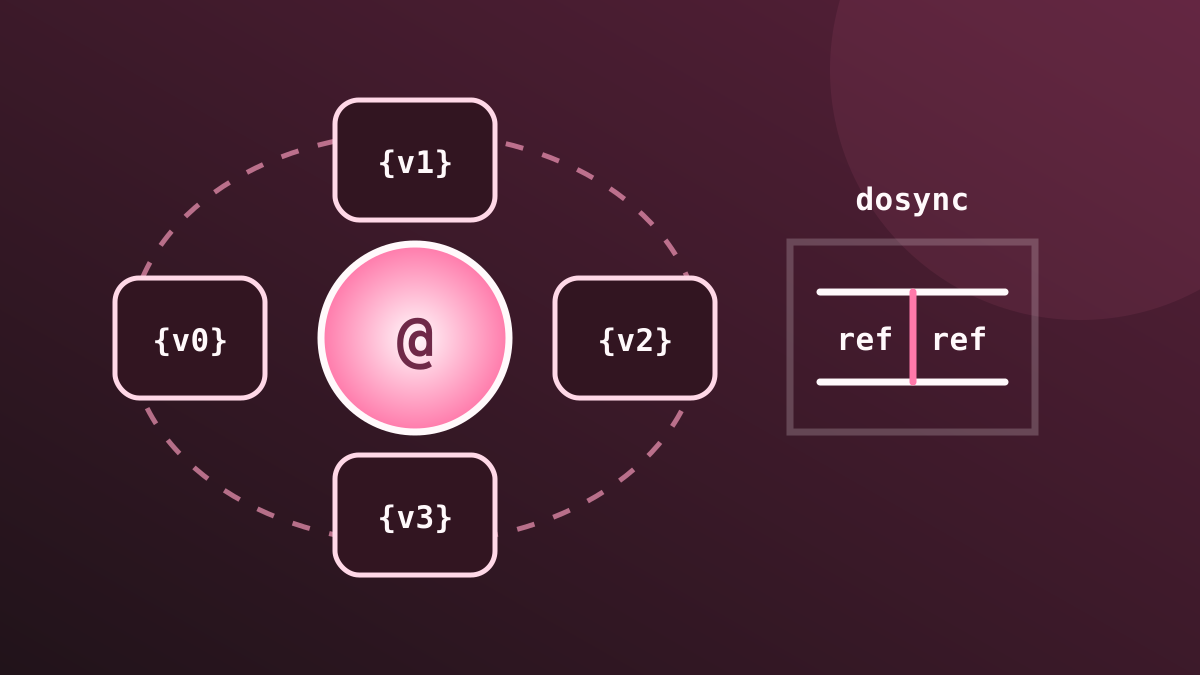
Move from F# reference cells and synchronization to Clojure's explicit identity model with atoms, refs, and transactions.
- Part 8
From F# to Clojure > 8: From Pipelines to Transducers
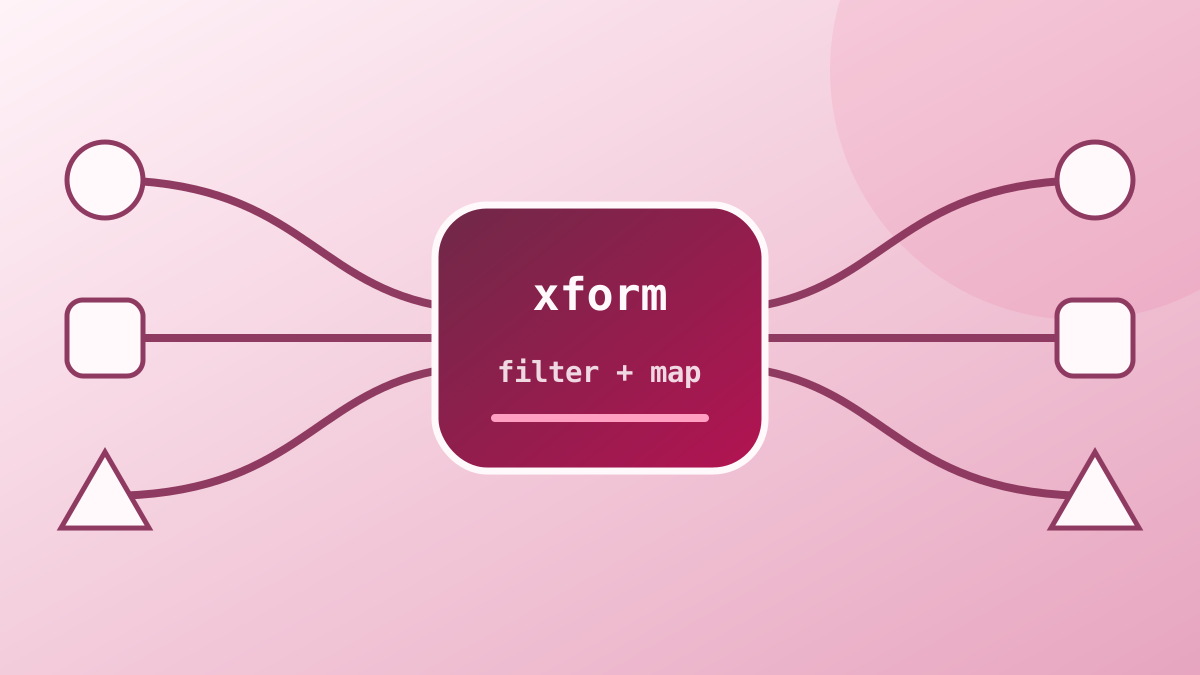
Take the F# pipeline instinct further by separating Clojure transformations from their input, output, and reduction context.
- Part 9
From F# to Clojure > 9: From Quotations to Macros
Contrast F# quotations with Clojure's code-as-data model, then build safe macros with quoting, splicing, and hygienic names.